
It’s a point made so often that it almost feels silly to point it out: We live in a time when connectivity is dominant — and yet our phones and social media often cause us to feel more disconnected than ever. We can go days liking, sharing, scrolling and commenting, and still feel entirely unseen.
Research suggests that about 31% of young adults ages 18-29 say they are always or often lonely. Among adults over 60, that percentage lands at 24%. For adults with a diagnosed mental illness, those figures are even more alarming: At least 59% experience isolation.
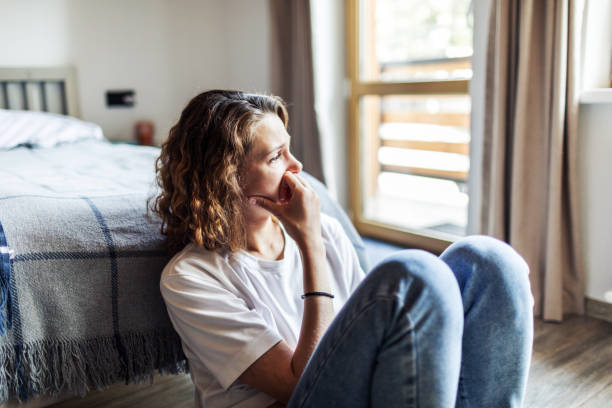
Of course, this means that there’s a good chance that you, reading this, are feeling isolated. It also means that the others you encounter daily may be enduring a similar challenge. On a social level, technology in so many ways has flattened people into opinions, profiles and posts. It’s made it easier to forget that behind every screen is a human being carrying grief, fear, hope — and a story no algorithm can contain.
So how can we approach this challenge many call an “epidemic of loneliness” in a time of digital divides and polarization?
It starts by reconnecting. By finding community. By recognizing our own challenges, and being open to those who struggle with their own, as well.
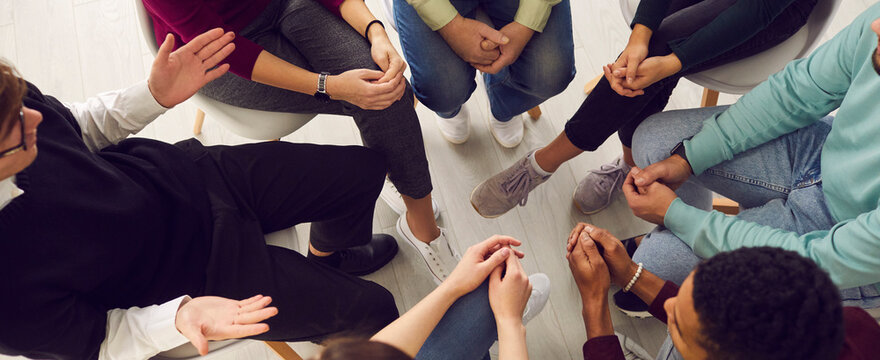
At NAMI Colorado Springs, peer support groups are designed to foster the types of connections and community that we are sorely lacking. Peer support is not about fixing or diagnosing. It’s about sitting with someone and saying, I’ve been there, too. It’s about listening without judgment, sharing without shame, and learning that you are not alone in your experience.
“I wasn't sure about it at first, but…it was really helpful sharing my story and learning from their experiences from each of their respective mental health diagnoses. It also helps you relate to others who are going through their own challenges and not just bipolar people.”
Connection Support Group Participant
In our Connection Support Group, members often describe the first meeting as the hardest — and the most surprising. One person shared that “I wasn’t sure about it at first, but…it was really helpful sharing my story and learning from their experiences from each of their respective mental health diagnoses. It also helps you relate to others who are going through their own challenges and not just bipolar people.” The power isn’t in advice; it’s in being seen and heard without having to explain or justify your pain.
Our Q Connect and TAG support groups hold space for people navigating the layered challenges of identity, belonging and mental health. Participants talk about the relief of being fully seen: not just as someone living with mental illness, but as their whole self.
And our Peer-to-Peer course brings together people from all walks of life who are looking to build connections and find mutual support from people who understand the challenges you’re facing with mental health.
This is what peer support really does: It restores our sense of shared humanity. It reminds us that even in a world shaped by distance, real connection is still possible. And it helps us see that healing often happens in community.
Today, peer support is also a form of counter-cultural protest. Especially in all of those moments when it’s easy to lose sight of one another, it’s an opportunity to stand up and say: I am willing to see the humanity in each person I encounter, and expect you to do the same.
Together, we can embrace the truest connectivity, connection and belonging.
Find your peers
Explore our current groups and classes — or reach out if you need help. If you’re interested in our Peer-to-Peer class, use the contact us button below or email info@namicos.org.