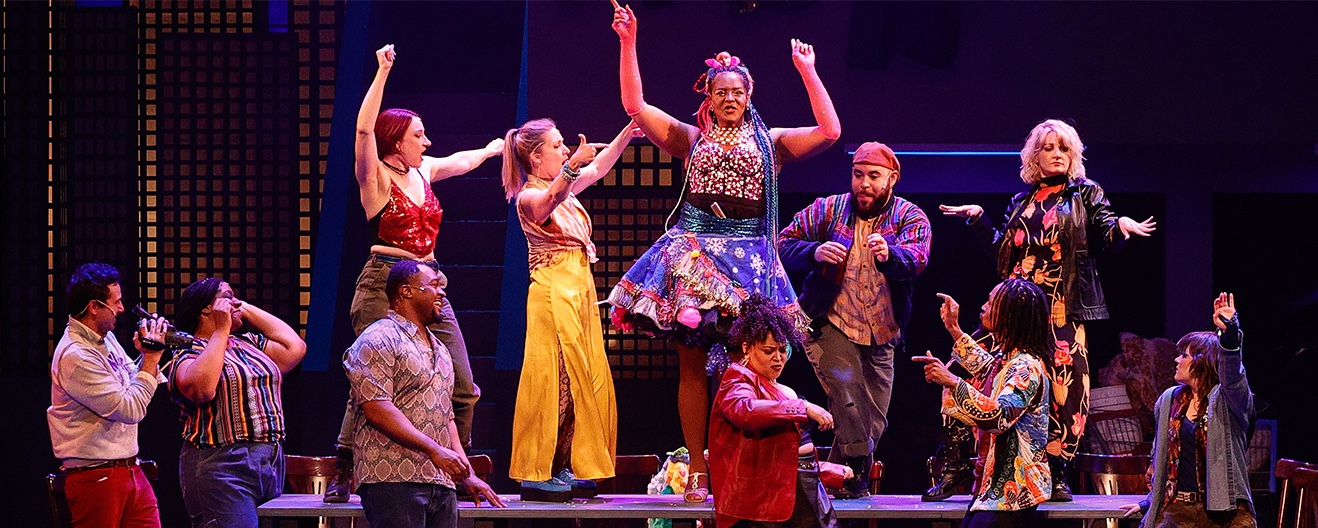
Holidays in Downtown Colorado Springs: storefronts glow, restaurants fill up, shoppers hunt for the perfect gift, and families gather for traditions that make the season special.
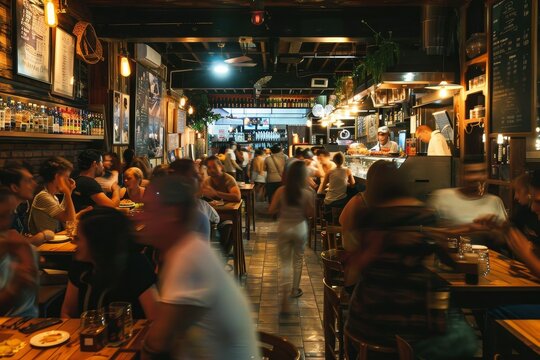
Behind those moments are the people making it happen. Retail employees stock shelves and run registers. Servers, cooks, dishwashers and bartenders work packed dinner services. Seasonal hires pick up extra shifts, delivery drivers race deadlines, and small-business owners do everything they can to keep the doors open.
During the COVID-19 pandemic, we called many of these people essential workers. The term became part of our everyday vocabulary, confirmation that our community couldn’t function without them. But what happens when the crisis passes and the recognition fades?
The pressures behind the holidays
For many retail and hospitality workers, the holidays are less a season of celebration than a season of increased demands: longer hours, unpredictable schedules, crowded workplaces, demanding customers and pressure to stay cheerful through all of it. Seasonal workers carry the added uncertainty of temporary work.
The numbers suggest the strain is real. In a 2021 survey cited by the National Institute for Occupational Safety and Health (NIOSH), 47% of retail workers said their stress increased during the holidays. And the pressure doesn’t end in January. A 2025 CDC study in JAMA Network Open of more than 536,000 U.S. workers found that retail and food service workers report higher rates of depression than workers in many other industries. Consider that 6.9% of food service workers reported poor mental health every day of the month, compared with 4.1% of workers overall.
In Colorado, 42% of accommodation and food service workers and 30% of retail salespersons live in households that earn less than the basic cost of living. For many, extra holiday hours are less about spending money and more about making ends meet. Some are working multiple jobs while balancing unpredictable schedules and family responsibilities.
In a season that celebrates generosity and togetherness, the people helping everyone else enjoy the holidays may have the least time, energy or financial breathing room to enjoy them themselves. So let’s be clear: A person’s ability to keep showing up for work is not evidence that they’re doing OK.
‘Essential’ isn’t a job title
“Essential” describes something we can’t do without. But there’s a distinction worth making: people aren’t valuable because they’re useful to us. They’re valuable because they’re people. Their worth doesn’t depend on their productivity or on how well they handle a difficult day. They are human beings with hopes, worries, relationships and mental health needs, and they deserve the same patience, compassion and belonging we want for ourselves.
At NAMI Colorado Springs, we believe everyone deserves to feel seen, supported and valued, including the people whose work happens in the background. Mental illness doesn’t clock out when someone puts on an apron, steps behind a register or starts a seasonal shift.

Making room for workers to belong
Initiatives like the Downtown Partnership’s Shop Local + Win Local campaign encourage us to support the independent businesses that give our city its character. That matters. So does supporting the people who make those businesses possible. A few ways to start:
- Bring patience. Crowded stores and delayed orders test everyone, but the person helping you may be on their fifth busy shift this week.
- Offer dignity, not just courtesy. A genuine thank-you, a respectful tone and a little grace when something goes wrong help someone feel seen. Maybe even ask how their day is going!
- Make space for workers to be human. Not everyone feels festive. Some are dealing with grief, loneliness or financial worry.
- Support businesses that support their people. Employers can make a real difference through fair scheduling, reasonable expectations and breaks, supportive managers, and a culture where employees can speak openly about their well-being. Mental Health America’s 2024 Mind the Workplace report found that 97% of employees in mentally healthy workplaces feel a sense of belonging, compared with just 9% in unhealthy ones.
Kindness isn’t a substitute for fair pay, adequate staffing or affordable housing and health care. But it can help create a community where people feel less alone.
If you’re working this season, we see you
If you’re picking up extra shifts, juggling an unpredictable schedule, worrying about bills, or working to make the holidays happen for everyone else, your worth isn’t measured by how much you accomplish or how much you give. You don’t have to earn rest. You don’t have to be cheerful every day. You don’t have to carry everything alone.
It’s OK to…
- say this season is hard.
- set boundaries where you can.
- reach out to someone you trust.
- make time for what keeps you grounded, even if it looks different from the traditions around you.
And if you’re struggling, support is available. NAMI Colorado Springs offers free programs, support groups and educational resources for people navigating mental health challenges, and for the family and friends who care about them. You don’t need to wait for a crisis to reach out.
Find connection and support
The holidays remind us how much we depend on one another. Let’s bring the spirit of giving beyond the people we’re shopping for and dining with, to the people making those moments possible. They are essential, not simply because of what they do for us, but because they matter.